








Notes & Combos
This is a 30-card Destiny HERO build focused on consistency, resource management, and flexible play going first or second.
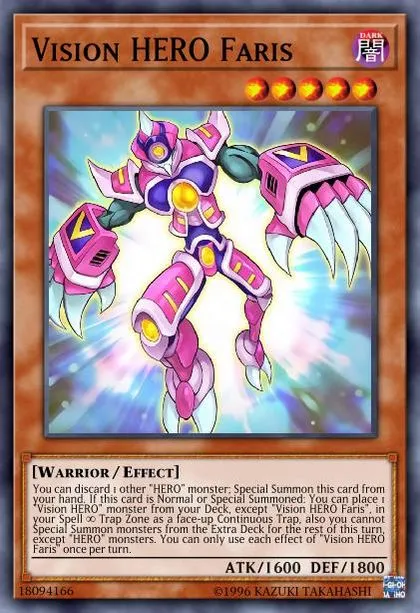
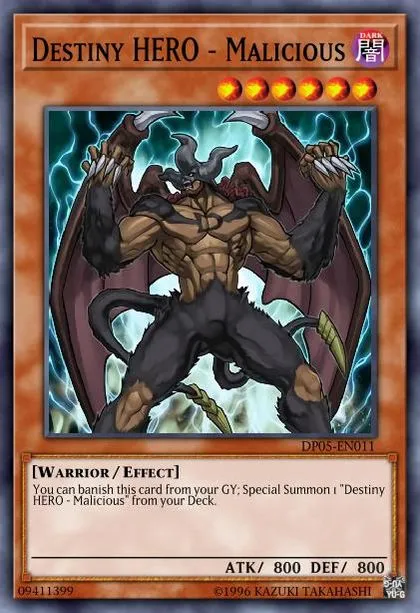
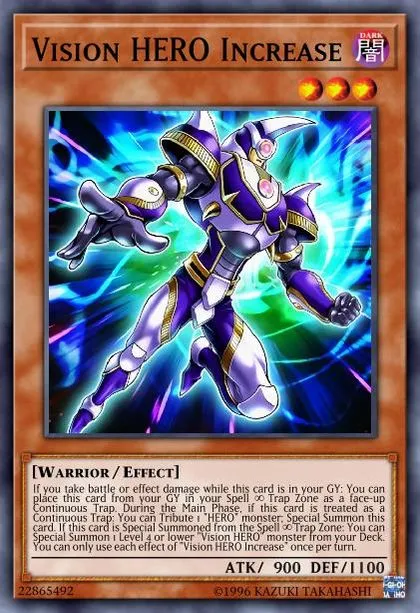
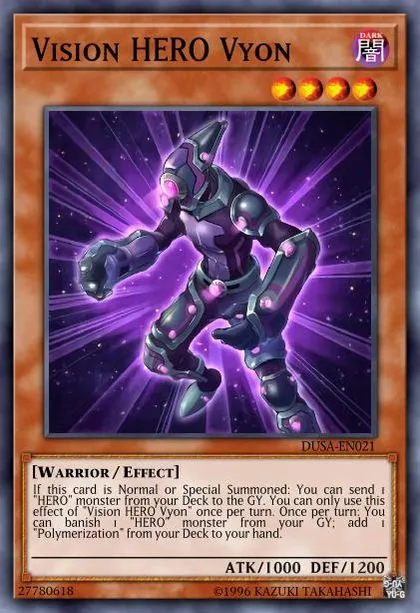
The main idea behind playing 30 cards is to reduce the risk of bricking with cards like Malicious while still maintaining a very consistent engine thanks to the full Vision HERO package and multiple Stratos. The skill “The Power of D: Weaving the Future” is extremely reliable in this build, as it consistently enables plays while also providing a tribute on the field when going second.
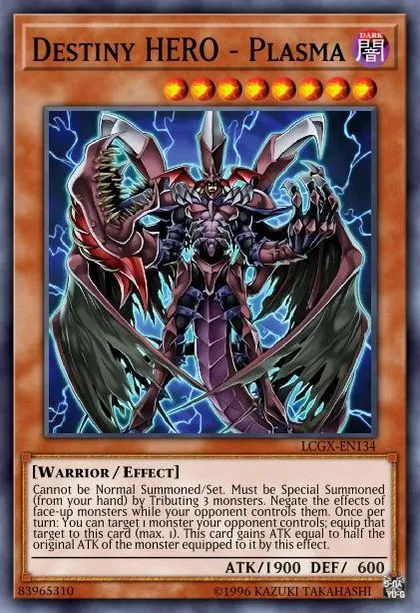
That tribute becomes very important because it enables immediate pressure through Destiny HERO Plasma, allowing me to shut down monster effects early. In addition, the deck can generate strong tempo swings with Destiny HERO Destroyer, which forces interaction by banishing face-up threats and controlling the pace of the duel.
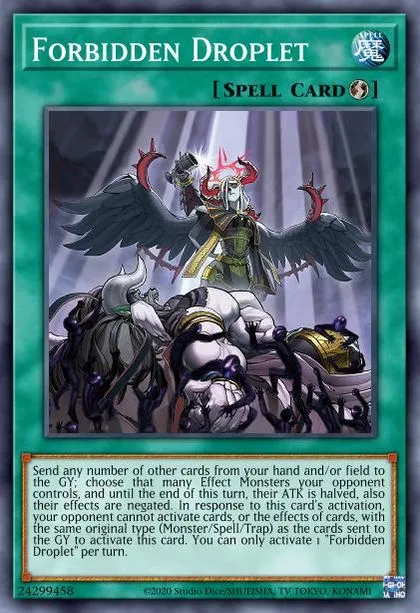
I chose to run triple Forbidden Droplet to maximize my ability to break boards going second. Since the skill and the engine naturally generate material on the field, I almost always have something to send as cost, making Droplet consistently live. This is especially important against established boards and in the mirror match.
I also play spell interaction through cards like Blizzard, which allow me to negate key spell cards and return them to the hand. This is especially valuable against common meta answers like Forbidden Droplet or other spell-based disruption that could otherwise break my board or stop plays involving Plasma or Destroyer.
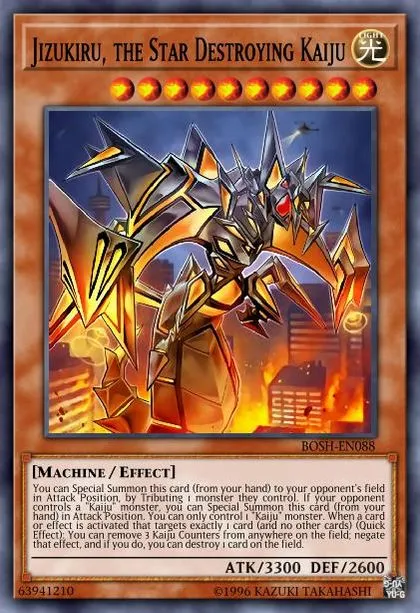
Additionally, Kaiju monsters such as Warbreaker give the deck an alternative way to deal with problematic boss monsters that are difficult to remove through standard interactions, further improving matchups against established boards.
I also include Effect Veiler as a key piece of interaction, allowing me to negate important monster effects on turn 1 and disrupt the opponent’s opening plays.
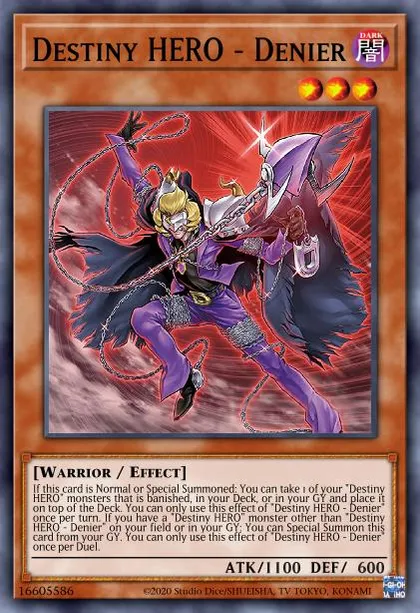
One important aspect of this build is resource management. It is not necessary to commit Destiny HERO Denier’s effect on the first turn. In many cases, it is better to keep it in the GY as follow-up, since the deck has enough engine to establish a strong board without overextending. This allows for better recovery if the opponent survives the initial setup.
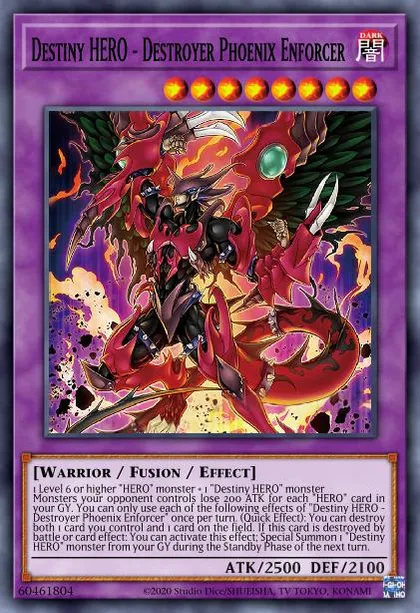
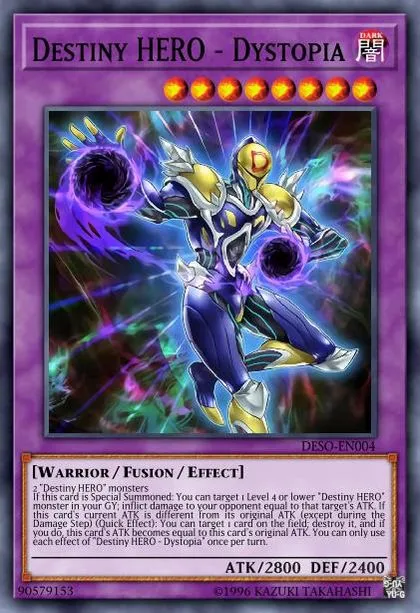
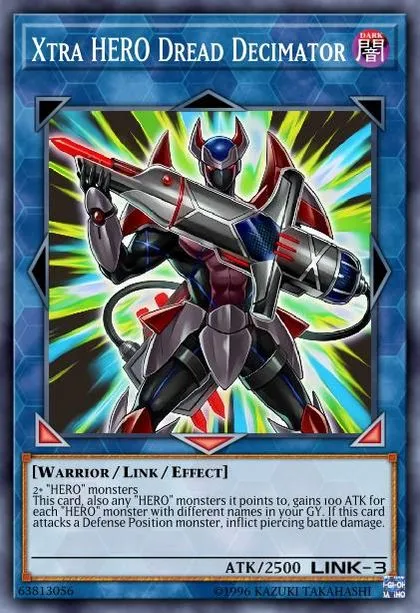
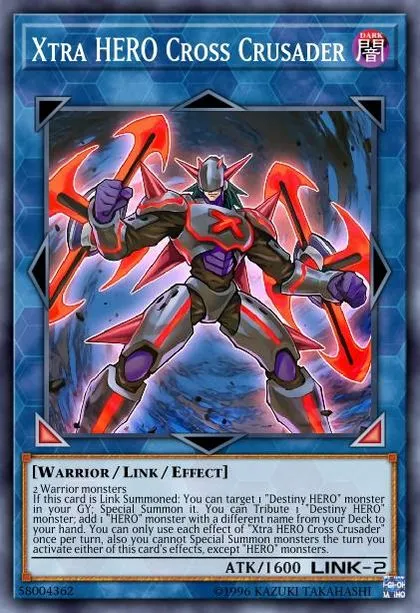
A typical turn 1 setup includes Destiny HERO Dystopia, Xtra Hero Dread Decimator, and Destiny HERO Destroyer Phoenix Enforcer. This setup provides multiple layers of interaction through destruction, pressure, and recursion, forcing the opponent to deal with multiple threats at once.
An important follow-up line comes from the skill interaction with Plasma. By using the skill, I can access Plasma from the Deck or GY, use it as material early, and send it to the GY. This allows me to later recover Plasma through my continuous spell on the following turns. As a result, even after establishing my initial board, I have access to Plasma again on turn 3, giving me additional board-breaking potential and extending my pressure into the mid-game.
Overall, the deck is built to adapt depending on the matchup: • Going second, it focuses on breaking boards with Droplet, Kaiju plays, and follow-up Plasma pressure. • Going first, it prioritizes disruption, recursion, and setting up strong follow-up plays.
This flexibility and long-term resource planning is what allowed the deck to perform consistently through DLv. Max, even in high-pressure situations and against optimized meta decks.